

Anxiety
When your mind won’t slow down—even when everything looks fine.
- Racing thoughts that won't stop, especially at night
- Constant worry that something bad will happen
- Feeling on edge even during quiet moments

Ohio Perinatal Behavioral Health Task Force
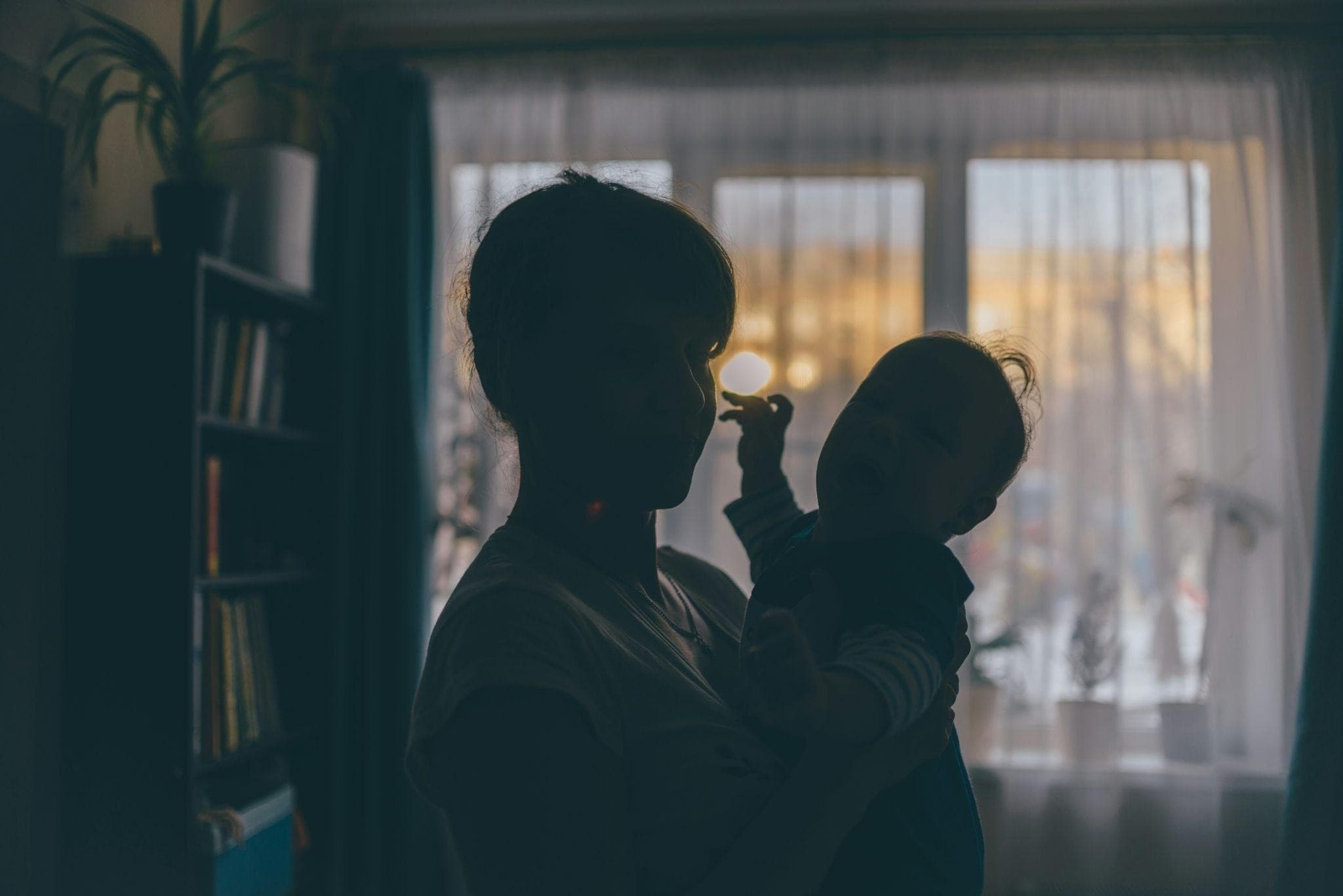
There is more to every parent’s story than what the world can see. This campaign is about making the invisible visible—so no one has to carry it alone.
Behind every smile in a baby photo, behind every “I’m fine”—there can be a deeper, more complex story. Perinatal behavioral health includes the mental health, emotional wellbeing, and coping experiences that happen during pregnancy and the postpartum period.
These experiences don’t always look the same. They don’t always get talked about. And they often exist beneath the surface. This campaign exists to change that.

“What you’re carrying matters—even if no one else can see it.”
Understanding the full picture
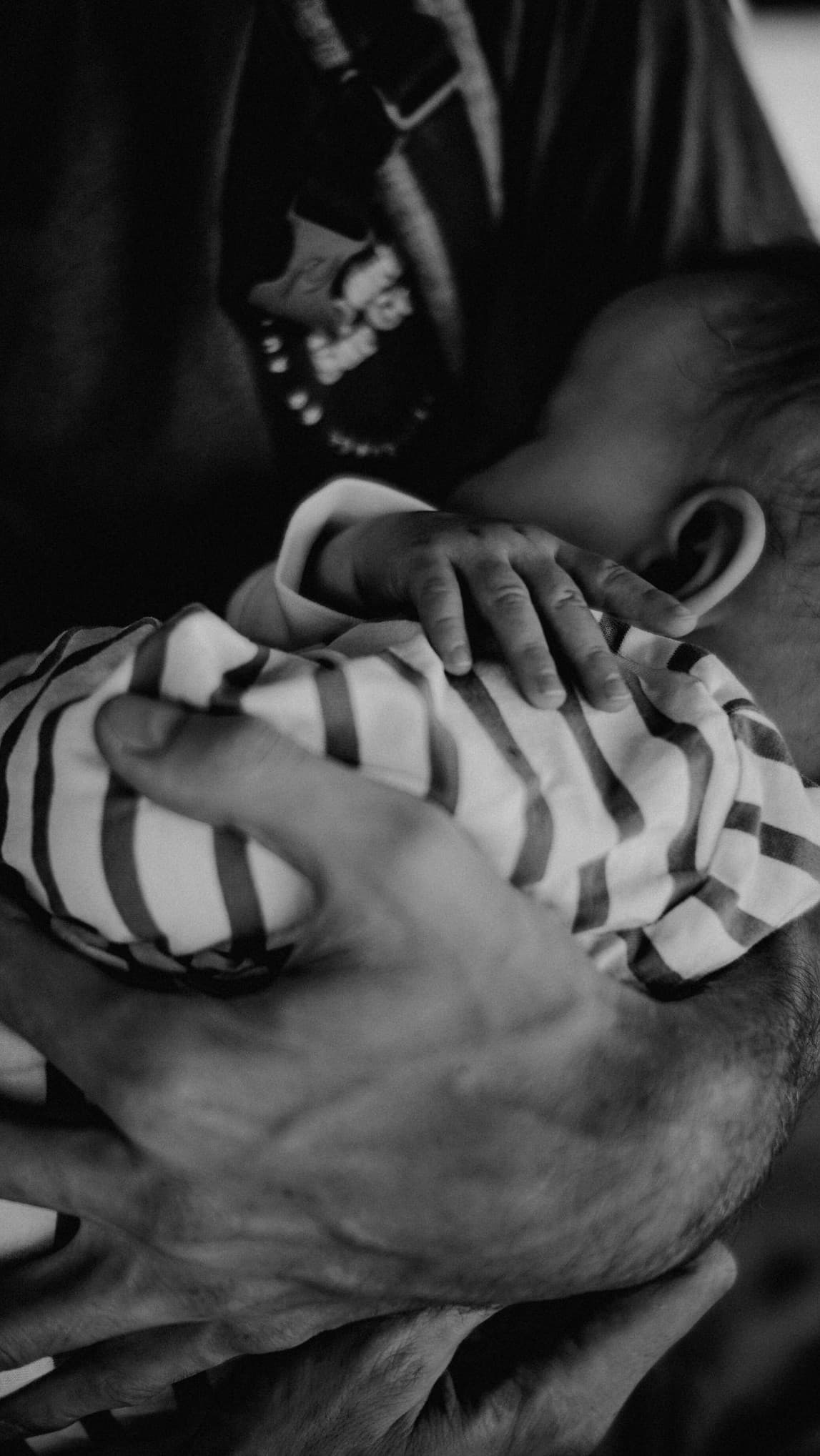
Perinatal behavioral health includes mental health, substance use, and how people cope during pregnancy and postpartum. It is not one diagnosis or one experience. It is a full spectrum of what parents go through, often invisibly.
Understanding this spectrum means recognizing that struggle can look like many things and that every person's story deserves recognition and support. It is not about labels. It is about seeing the whole person.
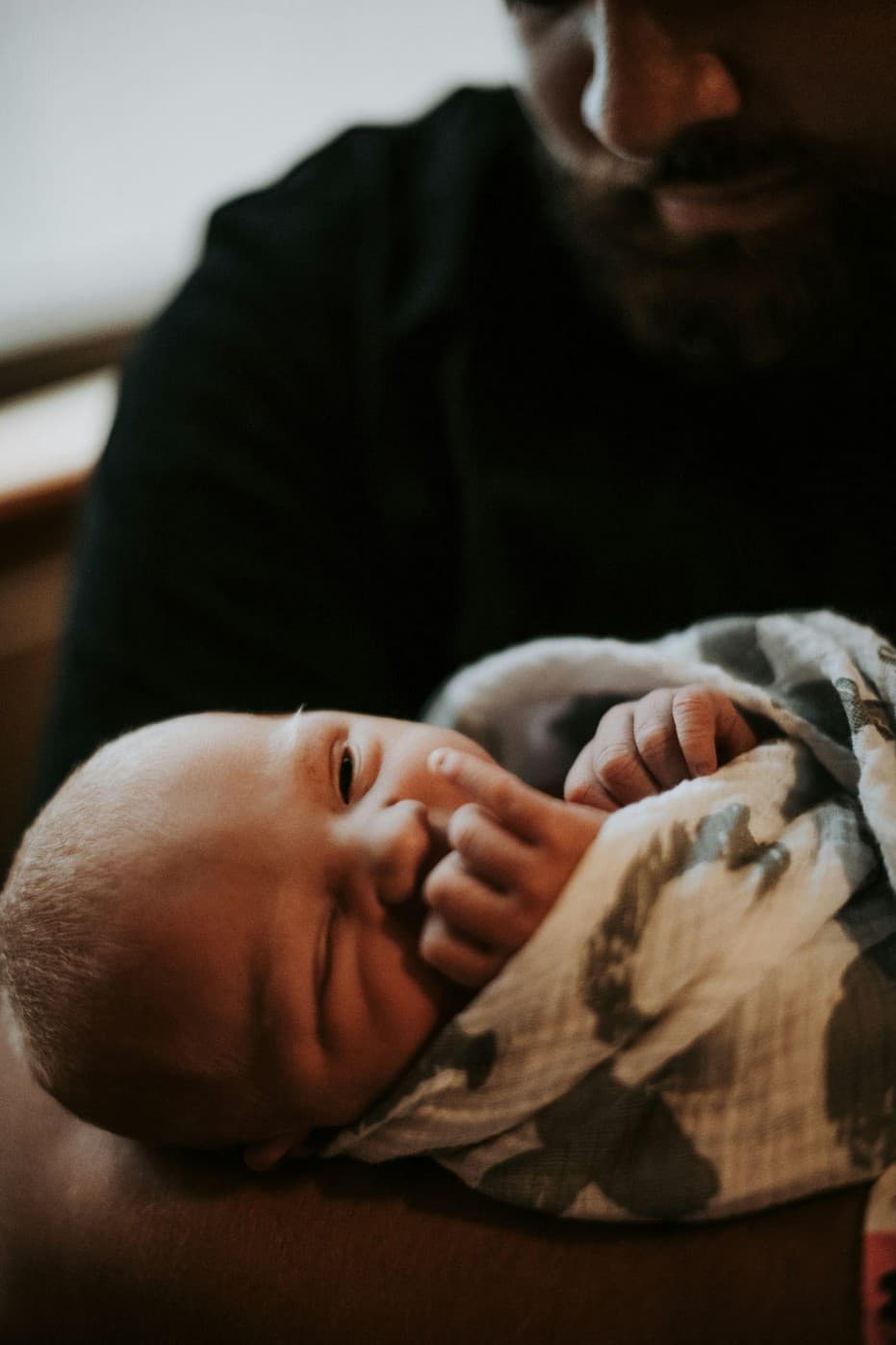
The spectrum of experiences
When your mind won’t slow down—even when everything looks fine.
When the weight of it all makes it hard to feel anything at all.
When your mind shows you things that terrify you—even though you’d never act on them.
When past experiences—or a difficult birth—leave marks that don’t just fade.
When coping looks different than people expect—and judgment makes it harder to ask for help.
When the story you imagined doesn’t match the one you’re living.
Requires immediate support
When reality feels altered—and urgent support is needed.
For Mothers
Whether you’re pregnant, postpartum, or parenting—what you’re feeling matters. You don’t have to carry it alone, and you don’t have to have it all figured out to reach out.
Get help you can trust →Share your story →For Family & Support Systems
Perinatal behavioral health requires more than a checklist. It requires compassion, cultural humility, and systems that meet mothers where they are—not where we expect them to be.
Learn how to help →For Providers & Organizations
Supporting perinatal behavioral health means pairing effective screening with compassionate care and systems that help people connect with the support they need.
Access resources →Every story shared creates space for someone else to be honest about what they’re going through. Whether you write it, record it, or simply name it—your experience has power.
You don’t have to have it all figured out. You don’t have to be “past it.” You just have to be willing to say: there’s more to my story.
Stories from our community
Ohio mothers share what they experienced, what helped, and what they want other families and providers to understand.
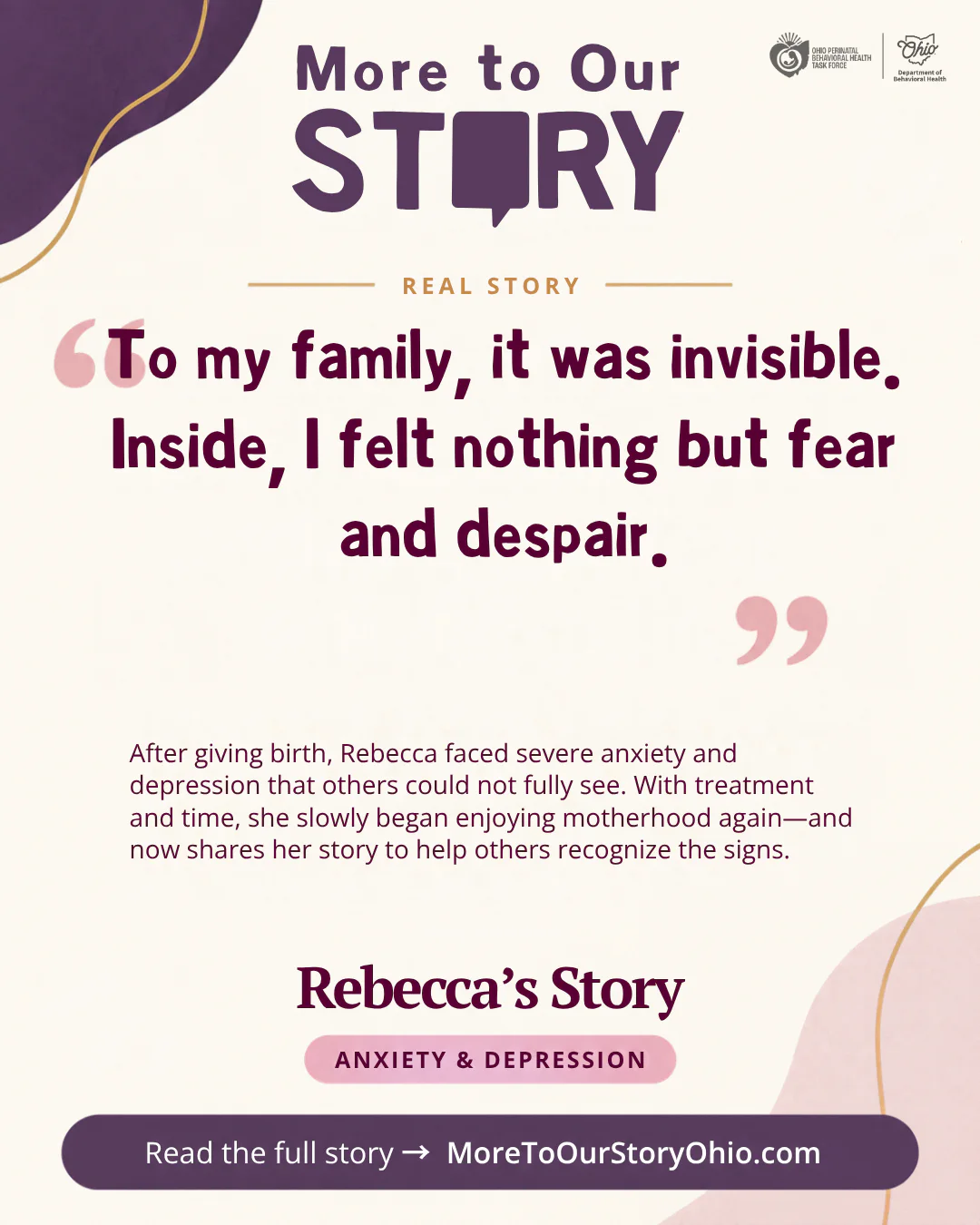
Anxiety & Depression
After giving birth, Rebecca faced severe anxiety and depression that others could not fully see. With treatment and time, she slowly began enjoying motherhood again—and now shares her story to help others recognize the signs.
Read Rebecca’s story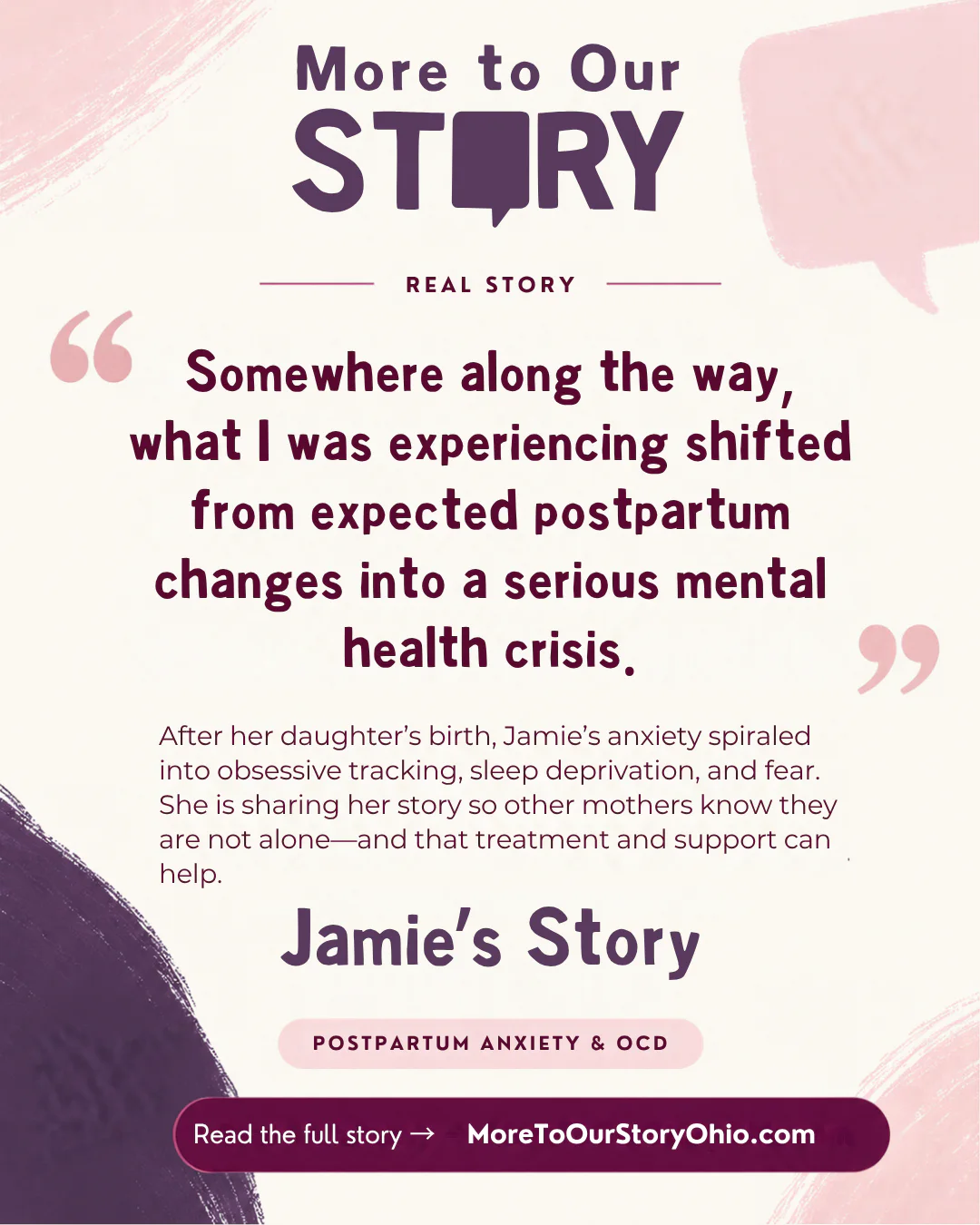
Postpartum Anxiety & OCD
After her daughter’s birth, Jamie’s anxiety spiraled into obsessive tracking, sleep deprivation, and fear. She is sharing her story so other mothers know they are not alone—and that treatment and support can help.
Read Jamie’s story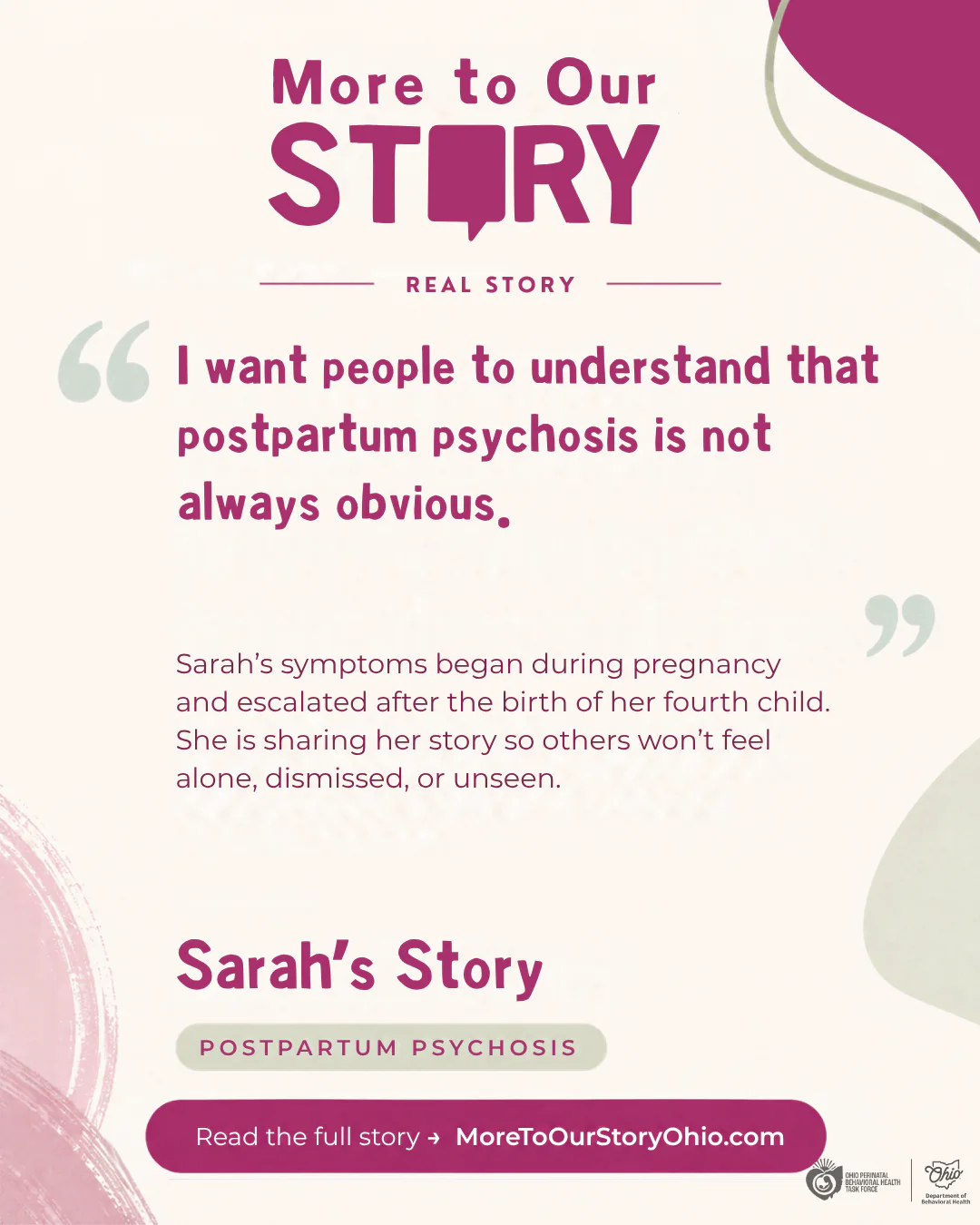
Postpartum Psychosis
Sarah’s symptoms began during pregnancy and escalated after the birth of her fourth child. She is sharing her story so others won’t feel alone, dismissed, or unseen.
Read Sarah’s story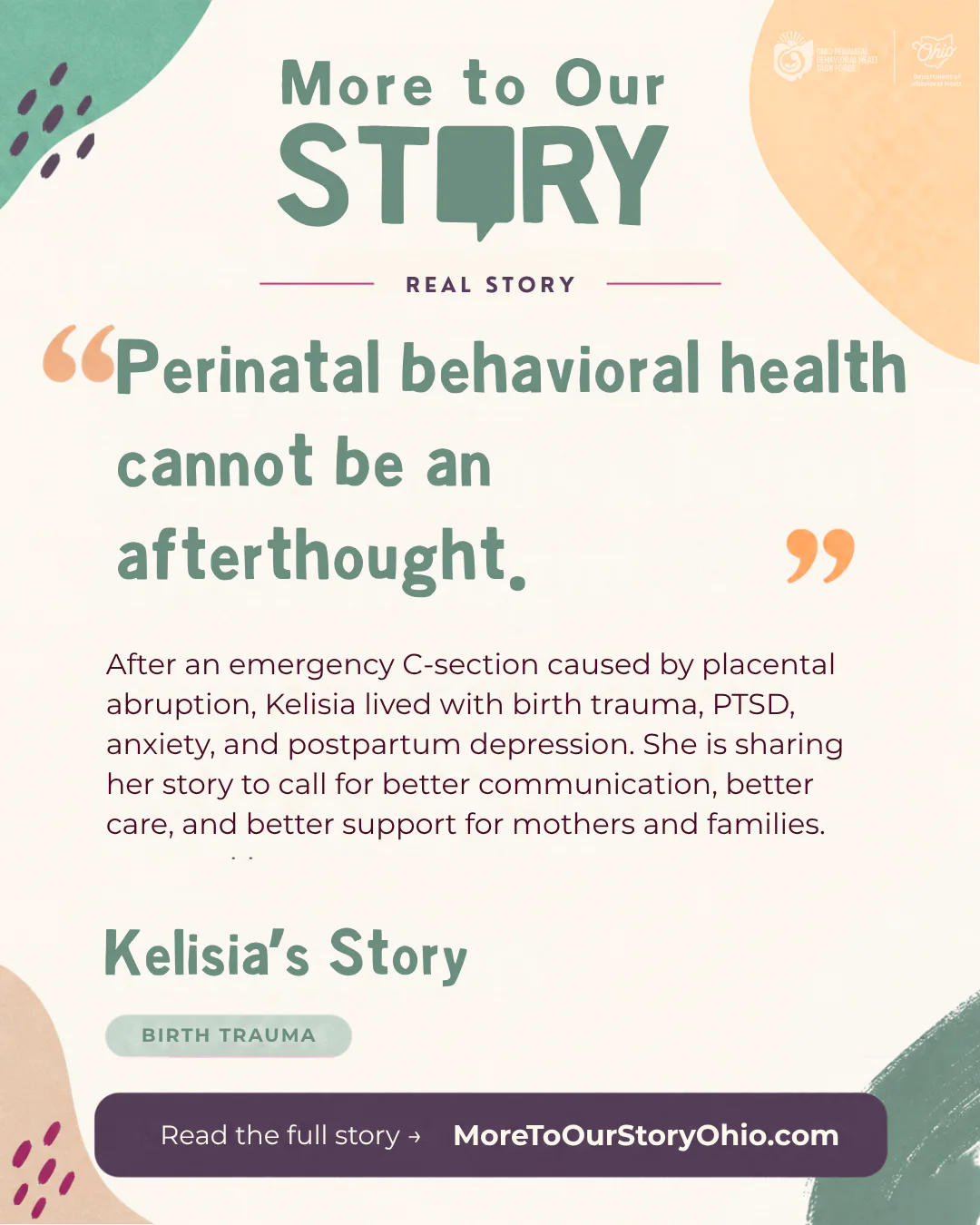
Birth Trauma
After an emergency C-section caused by placental abruption, Kelisia lived with birth trauma, PTSD, anxiety, and postpartum depression. She is sharing her story to call for better communication, care, and support.
Read Kelisia’s story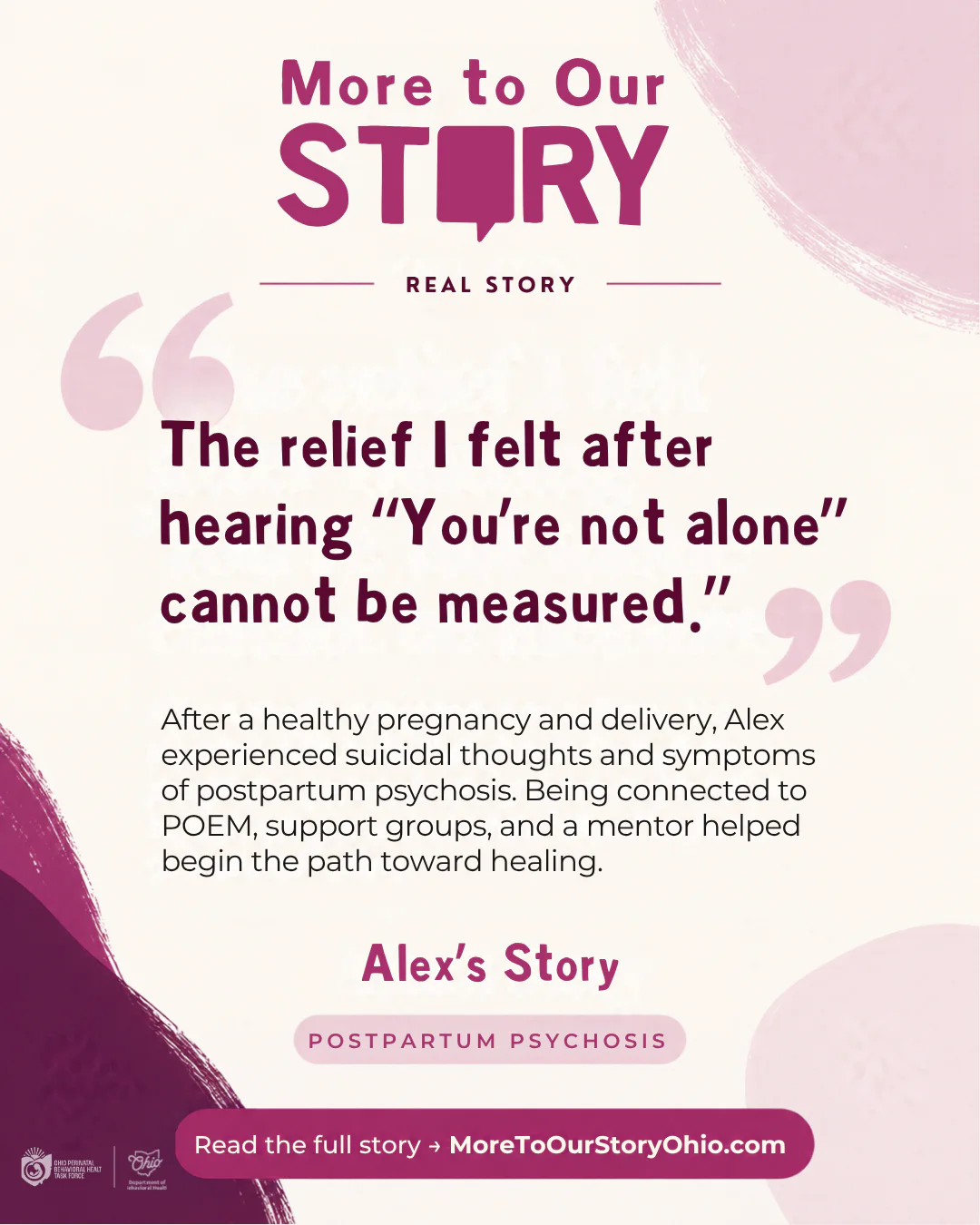
Postpartum Psychosis
After a healthy pregnancy and delivery, Alex experienced suicidal thoughts and symptoms of postpartum psychosis. POEM, support groups, and a mentor helped begin the path toward healing.
Read Alex’s storyHelp & Resources
If you or someone you love needs support, these trusted resources can help connect you with care. Call or text 988 for immediate crisis support.
POEM offers peer support, resources, referrals, a sense of community, education, and advocacy opportunities to help moms in Ohio feel heard, understood, and empowered.
Visit POEM24/7 crisis support is available.
Visit 988 LifelineFind confidential treatment referrals for mental health and substance use across the U.S.
Visit resourceFind local and statewide behavioral health resources.
Visit resourceLearn about Ohio's integrated maternal behavioral health programs and support.
Visit resourceShare only what feels appropriate. Submissions are reviewed before anything is published, and you may choose to remain anonymous.
Complete the form and submit it to send your message securely.
Every submission is reviewed by the campaign team before anything is published. You may use an alias, request anonymity, and tell the team whether you would like to be contacted about sharing more.
We understand that sharing your story may be difficult or bring up difficult memories. Please remember that this is an activity meant for care. If you find yourself needing care, please refer back to the resources and help available to you.

Whether you’re a parent, a loved one, or someone who cares for families—there’s a place for you in this story. Let’s make the invisible visible, together.