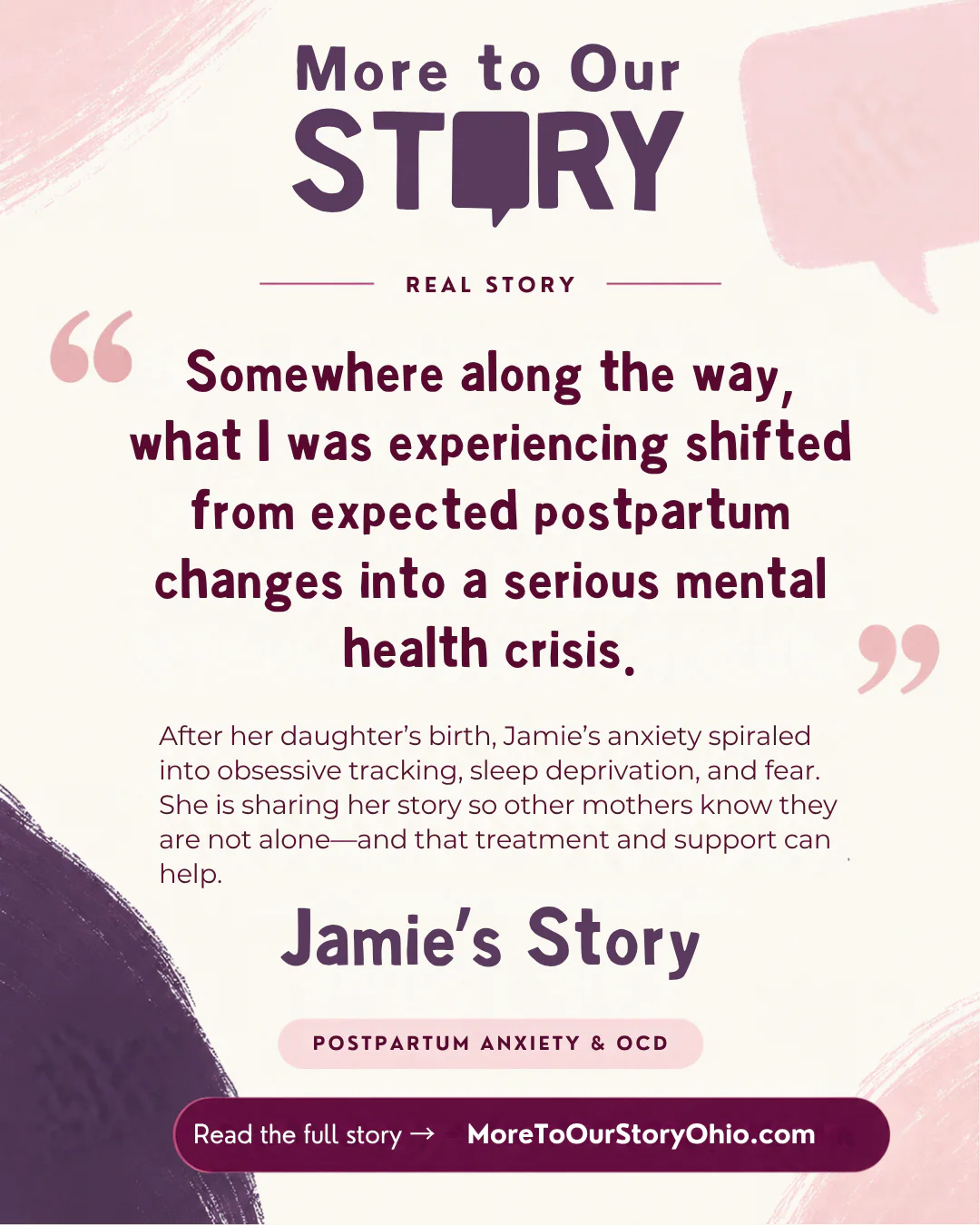
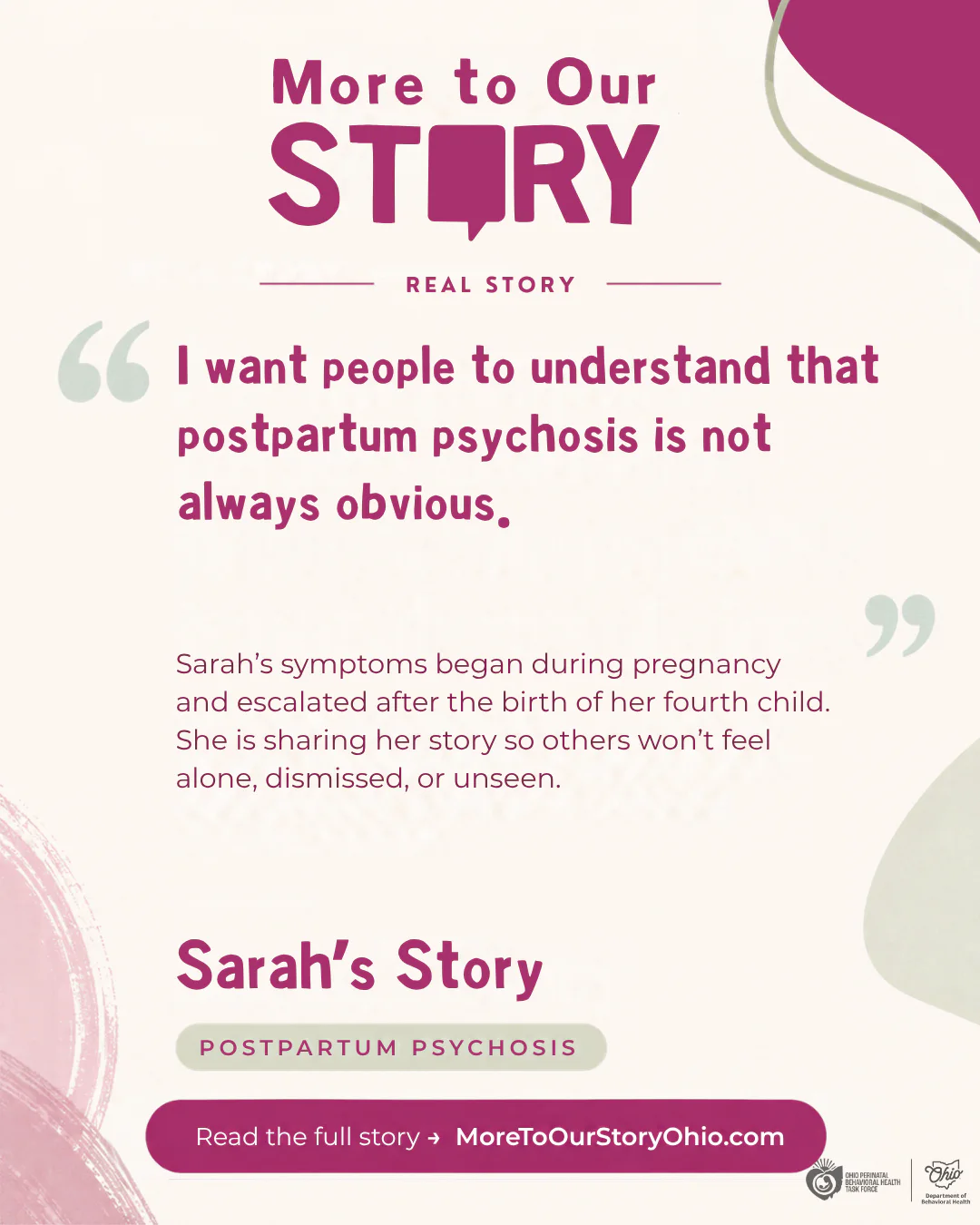
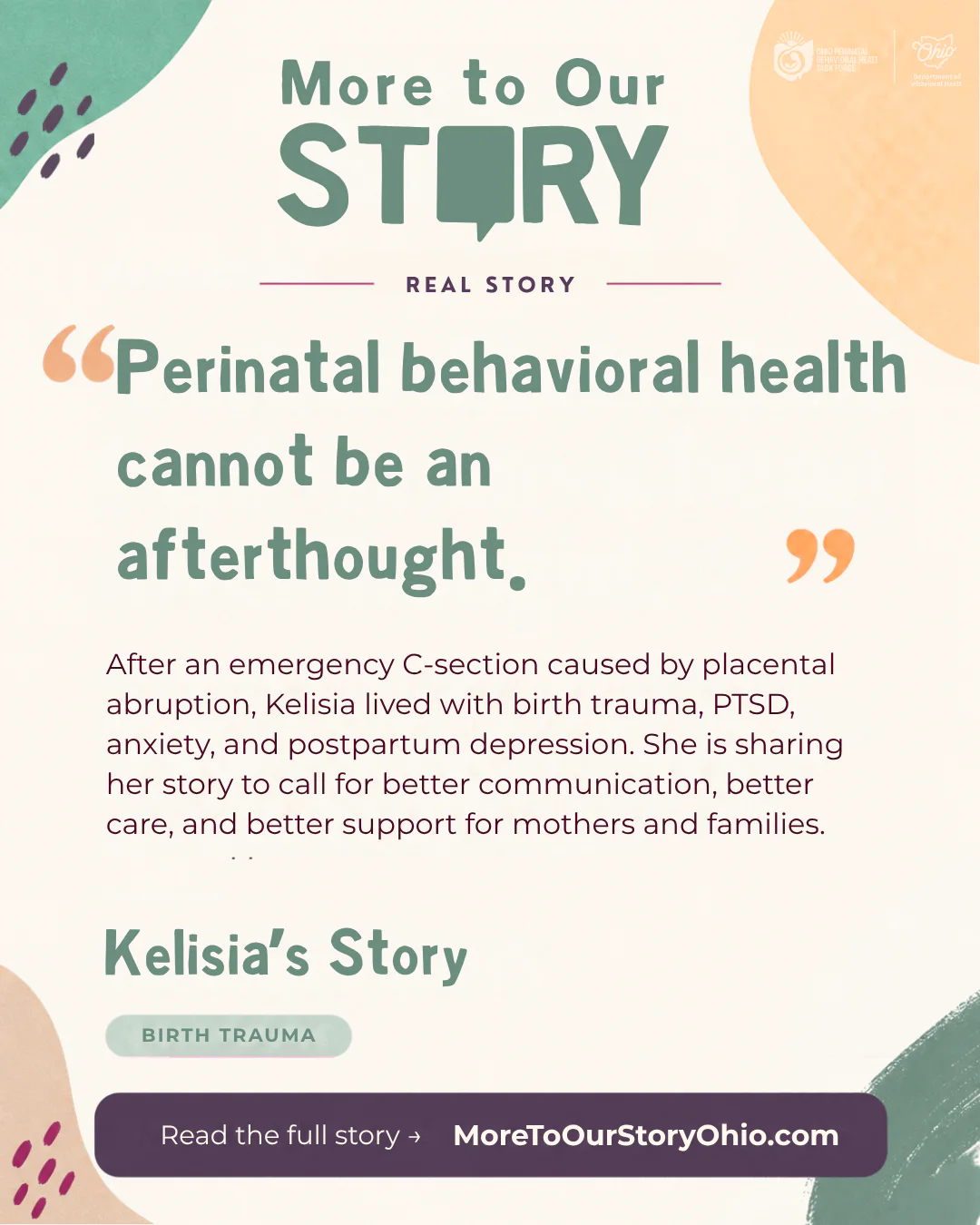
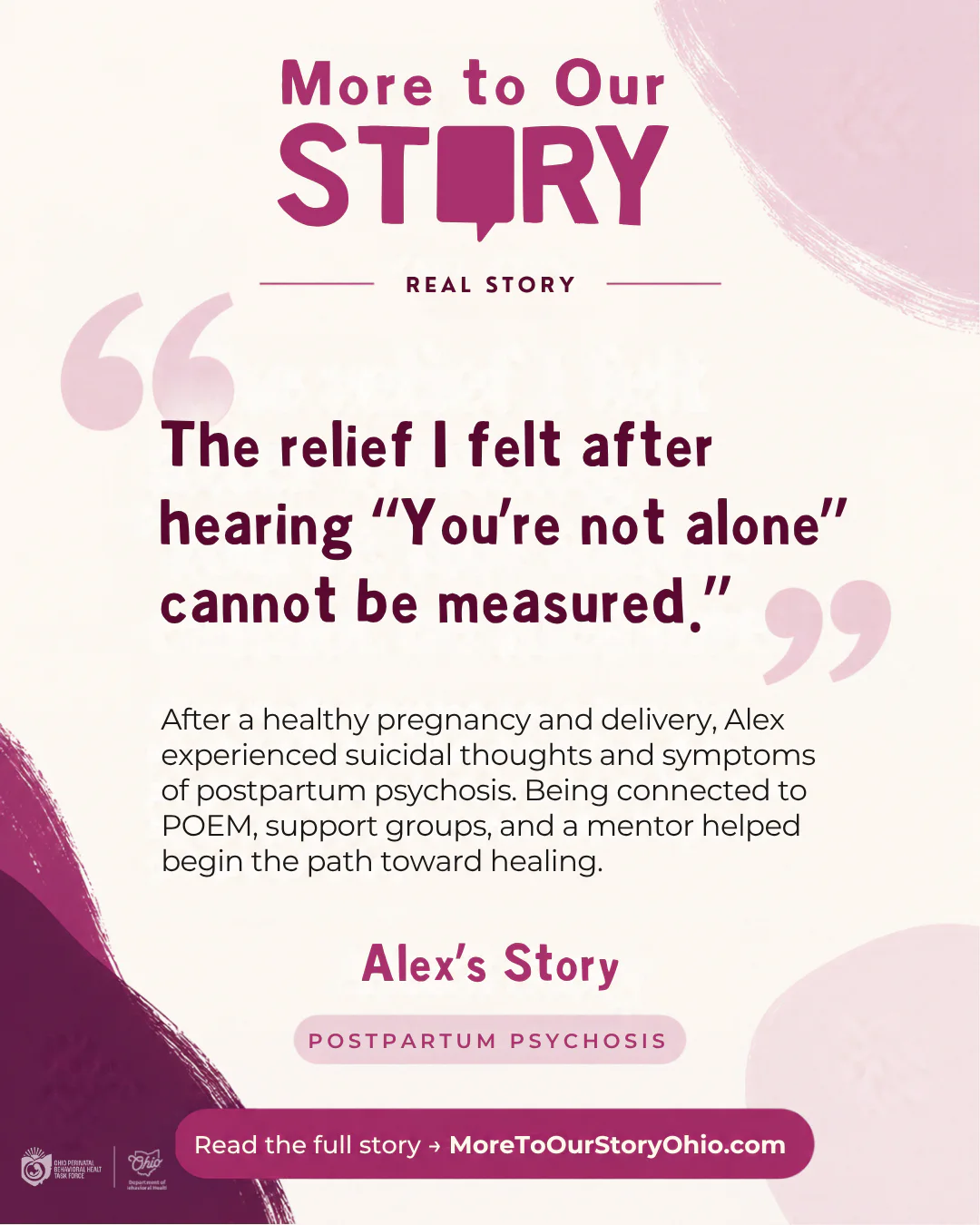
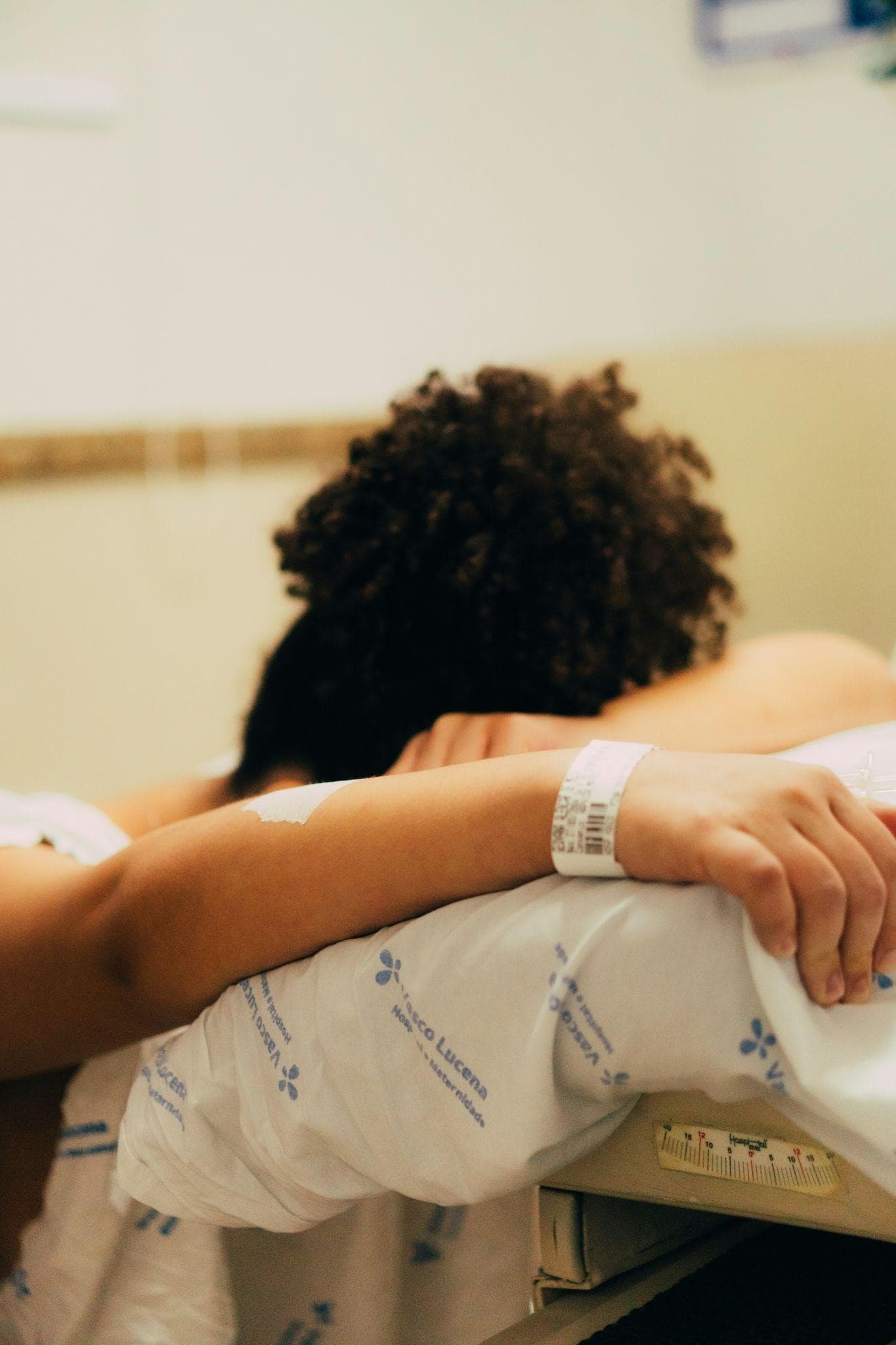
Perinatal behavioral health includes a range of mental health and substance use conditions that can affect women during pregnancy and through the first year after birth. These are health conditions—not a reflection of a mother’s strength, character, or ability to care for her baby. They are treatable, and women who experience them deserve understanding, support, and appropriate care.
These can include depression, anxiety disorders, obsessive-compulsive disorder (OCD), bipolar disorder, post-traumatic stress disorder (PTSD), substance use disorders, and perinatal psychosis.
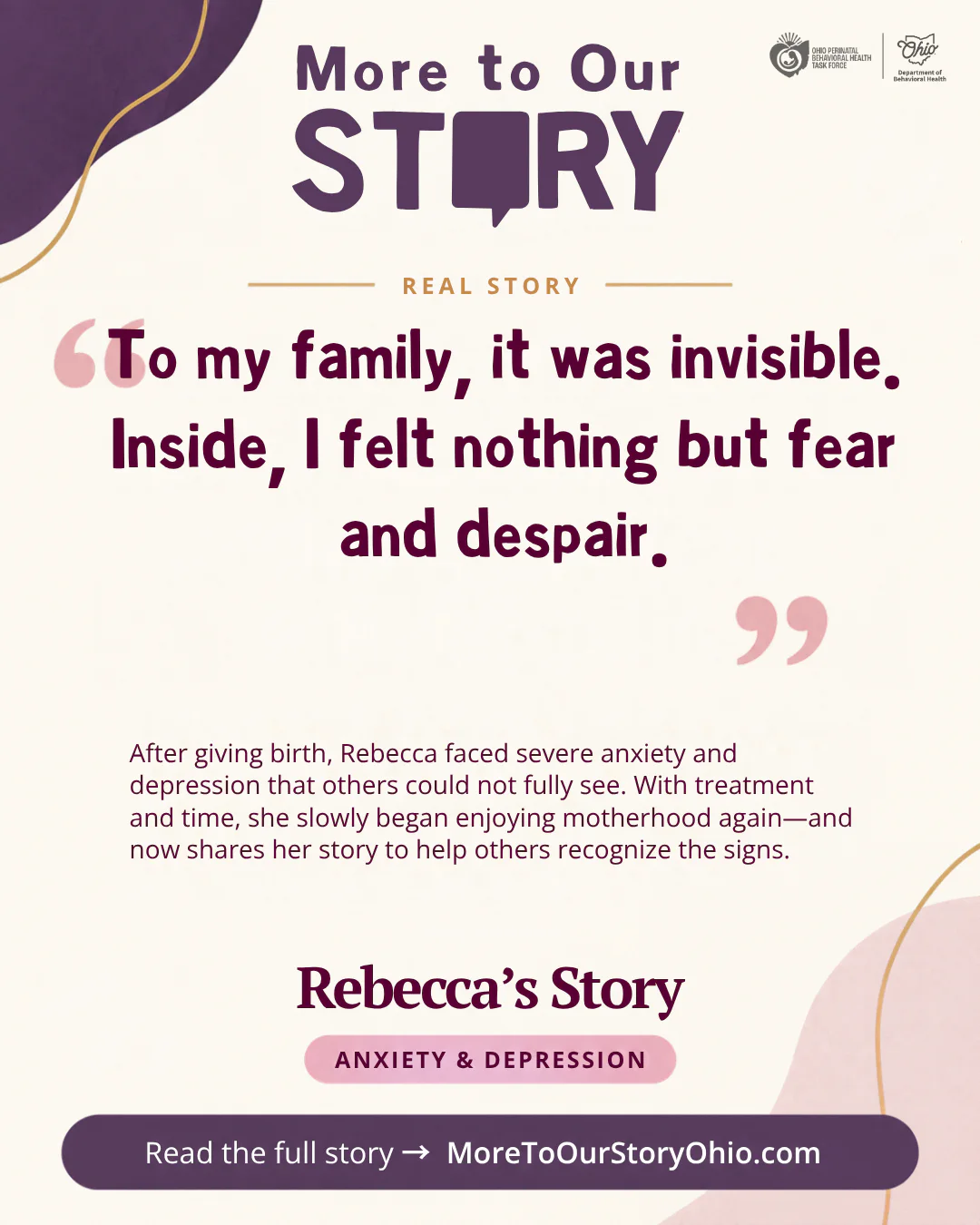
Signs and symptoms can vary widely. A woman may experience persistent sadness or worry, panic, anger, numbness, frightening or unwanted thoughts, feeling disconnected or unlike herself, or changes or concerns related to substance use. Experiencing a symptom or change does not necessarily mean a woman has a specific condition.
Experiences such as birth trauma, pregnancy or infant loss, and grief can also affect a woman’s mental health or substance use during this time.
Stigma, fear of judgment or consequences, and other barriers can keep women from sharing what they are experiencing or getting the care they need. Mothers deserve systems that respond with understanding, take their concerns seriously, and connect them to appropriate care.